All Categories
Featured
Certified Help for New Bankruptcy Cases
Table of Contents
Personal bankruptcy lawfully enables people or businesses who are not able to repay their financial obligations to seek relief through court-supervised reorganization or liquidation (sales) of properties. It supplies a fresh monetary start for debtors while guaranteeing fair treatment of lenders, however experts state it ought to be a last option to settle your financial woes.
While personal bankruptcy often carries a preconception, it's crucial to set aside those issues and focus on discovering a service that can provide relief. "The most significant mistaken belief, by far, is that personal bankruptcy is a BAD thing," stated Adrienne Hines, author of "Insolvency Magic: The Life-Changing Power of Debt Relief with Dignity" and an insolvency and employees payment lawyer with Wisehart & Wright, Co., LLC, in Sandusky, Ohio.
Ways to Commence Bankruptcy Under 2026 LawsBeing wise about your alternatives and exploring your choices are more vital than being ashamed or embarrassed.": An individual or organization that owes money, items, or services to another party. A bank, private, service or other organization that lends cash, extends credit, or offers services with the expectation of being repaid, usually with interest.
: A court order that releases a debtor in bankruptcy from liability for specific financial obligations and prohibits creditors from continuing to attempt to gather them. The process in which some of a debtor's properties are sold to settle financial institutions. Debt that is backed with collateral such as a home or lorry, which a creditor can take if you default on a loan.
Bankruptcy provides lenders a chance to be at least partially repaid when properties belonging to a private or company are liquidated, implying the assets are transformed into money which is then committed the debtholders. All personal bankruptcy cases are filed in federal court. Judges take a look at the personal bankruptcy filing to determine a debtor's eligibility and after that decide whether to release that debt.
Choosing Chapter 13 for Maximum 2026 BenefitCertified Guidance for Complex Bankruptcy Cases
Many cases are managed in between the judge and trustee and don't need the debtor to appear in the court procedures. A decision can be made to release, indicating the debtor is no longer lawfully responsible for paying those debts. Or the judge might dismiss the filing if he or she thinks the individual or company has the means to pay their debts.
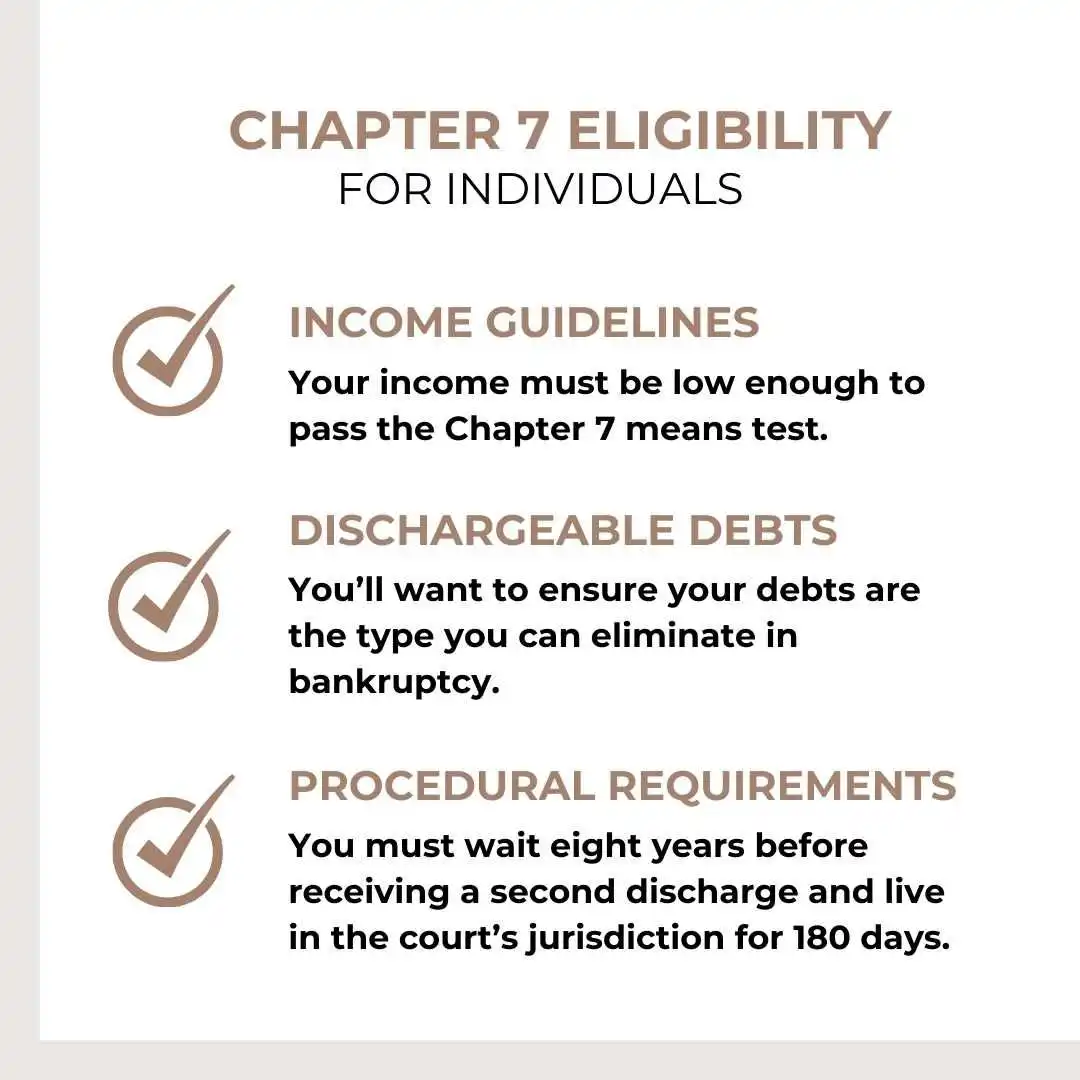
The American Personal bankruptcy Institute states that 95.3% of individuals in Chapter 7 bankruptcy are successful when they are represented by a lawyer, and United States. Personal bankruptcy Court statistics reveal an even higher percentage in Chapter 7 cases that aren't dismissed or transformed into another type of bankruptcy As you'll see below, you might have to qualify for Chapter 7 insolvency based on your earnings.
There are six types of personal bankruptcy Chapters 7, 9, 11, 12, 13 and 15 each created to deal with different financial scenarios. Comprehending these options can help individuals and organizations choose the finest path to solve their financial obligations and gain back financial stability. Chapter 7 and Chapter 13 are by far the most typical kinds of bankruptcy, representing over 98% of personal bankruptcy filings based upon early 2026 information.
Historically, it's been the most widely used type of personal bankruptcy since it's relatively inexpensive and supplies the quickest financial obligation relief. That trend is continuing, as Chapter 7 filings increased by 17% in the first quarter of 2026 over the first quarter of 2025, according to information from Epiq AACER published by the American Insolvency Institute.
Seeking Financial Relief Through 2026 Filings
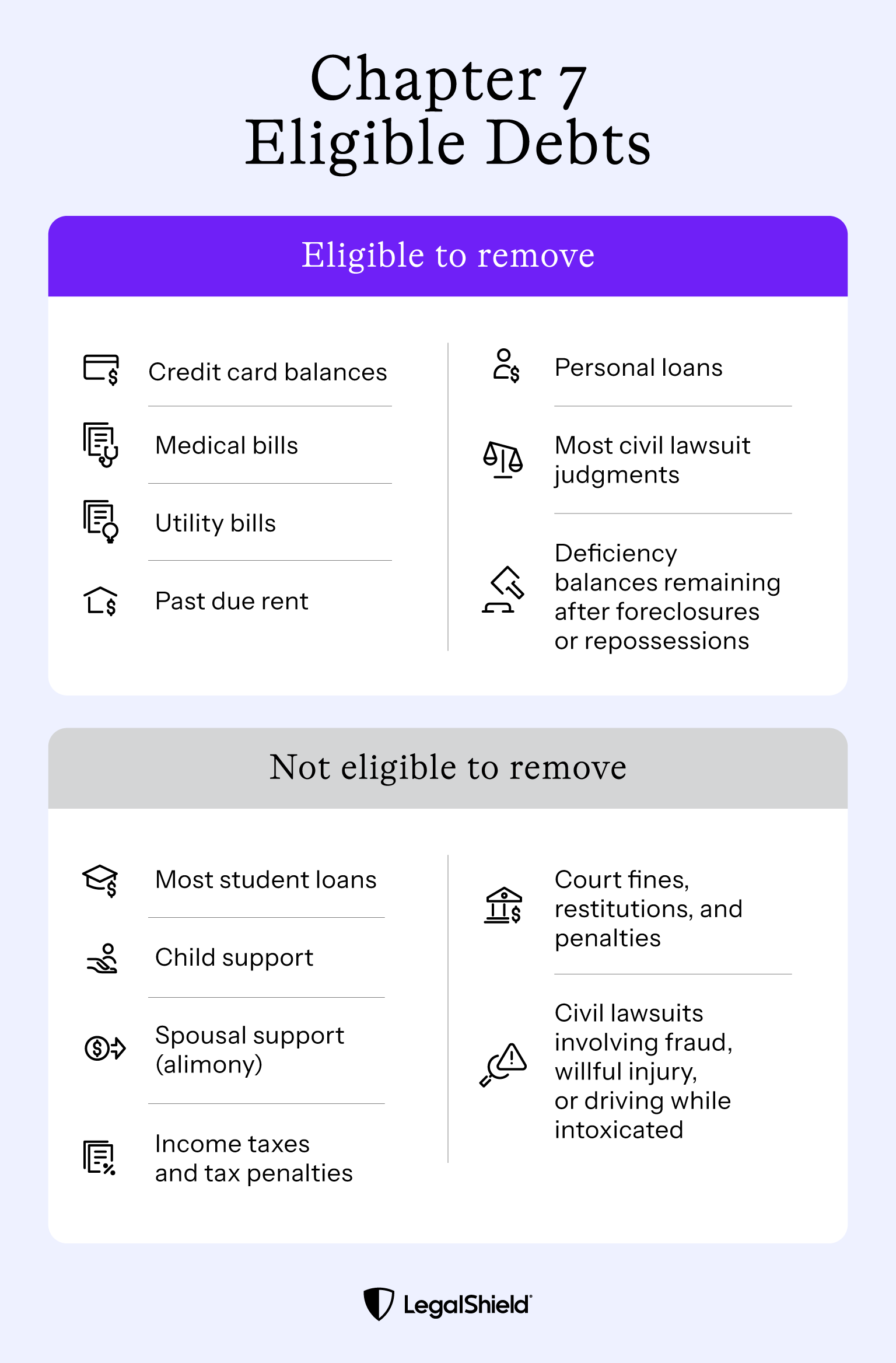
You also might be allowed to keep key properties considered "exempt" property, though non-exempt property will be sold to pay back part of your financial obligation. Feel in one's bones that property exemptions differ state-to-state. By the end of an effective Chapter 7 filing, the majority (or all) of your debts will be discharged, implying you won't need to repay them.
Chapter 7 insolvency remains on your credit report for ten years and substantially decreases your credit rating, however your rating could improve in time as you restore your financial resources. While some people may not qualify due to high income, others just can't manage Chapter 7 bankruptcy due to the charges and costs.
A Chapter 13 personal bankruptcy involves restructuring your financial resources so you can repay some financial obligations in order to have the rest forgiven. This is a choice for individuals who do not wish to quit their residential or commercial property or do not certify for Chapter 7 because their earnings is too high. Individuals can only apply for personal bankruptcy under Chapter 13 if they have less than $526,700 in unsecured debt in cases filed in between April 1, 2025, and March 31, 2028.

Latest Posts

Complete Guide to Bankruptcy Protocols

Detailed Checklist to Bankruptcy Filing
Calculating Legal Lawyer Fees for 2026