All Categories
Featured
Facts About Declaring Bankruptcy in 2026
Table of Contents
Based upon the details provided by your company, the servicer calculates the amount that can be lawfully garnished from your wages. Under federal law, the U.S. Department of Education, or any company attempting to collect a trainee loan on its behalf, can garnish as much as 15% of your non reusable pay if you're in default.
1095a(a)( 1) (2025 ).) You can keep a quantity that's equivalent to 30 times the current federal minimum wage per week. (15 U.S.C. 1673 (2025 ).) Your loan servicer is needed to give you 30-days' notice before garnishing your earnings. The Notice of Intent to Garnish must include the following information about your rights: your right to request and examine copies of your student loan records your right to request a hearing to present evidence that the garnishment should not be allowed, and your right to participate in a payment plan with the loan servicer.
If garnishment occurred less than 30 days after the date of the notification, or if the notice does not have actually the needed information, that is a reason to request a hearing. If the servicer utilized incorrect procedures, the servicer will need to begin over with the correct treatments. You can find comprehensive info on handling student loan financial obligation in, by Amy Loftsgordon and Cara O'Neill (Nolo).
For some types of federal student loans (FFELs), you need to ask for a hearing within 15 days. You can still request a hearing, and the garnishment will end if you win your hearing.
Whether the garnishment would impose a financial hardship is identified according to your family size, earnings, and costs. Other factors to ask for a hearing include: You do not owe the cash.
Consequences of Filing Bankruptcy in 2026
All collection activity should stop while a personal bankruptcy petition is pending while the automatic stay remains in location. You receive forgiveness, cancellation, or discharge of your loan. The Department of Education's website supplies details on many scenarios in which you could certify for discharge. These consist of discharge since your school closed before you might complete your program, civil service loan forgiveness, and discharge for overall and long-term disability.
The amount of cash that a trainee loan servicer can garnish from your paycheck is determined utilizing intricate rules. Again, in basic, the student loan servicer can only gather 15% of your disposable income through garnishment (but you can keep a quantity that's comparable to 30 times the present federal minimum wage per week).
If your income is extremely low, you might be exempt from garnishment. If your employer is taking too much out of your paycheck, call your loan servicer and demand a correction. If needed, request a hearing to fix the quantity. Voluntary payments have lots of benefits over garnishment. The goal of any loan servicer is to set up regular payments on your financial obligation.
Expert Bankruptcy Support to Halt Garnishments
Voluntary payments have many benefits over garnishment: You won't have collection expenses contributed to your loan, you might be able to enhance your credit score, and you might be able to restore eligibility for federal trainee loans in the future. Federal law says you can't be fired or otherwise struck back against since your salaries have actually been garnished to pay one financial obligation.
Some states provide more protection.
A trainee loan garnishment is the process of keeping cash from an employee's earnings if they are in default. Defaulted government trainee loan garnishment is simply one type.
Is Chapter 7 the Relief in 2026?
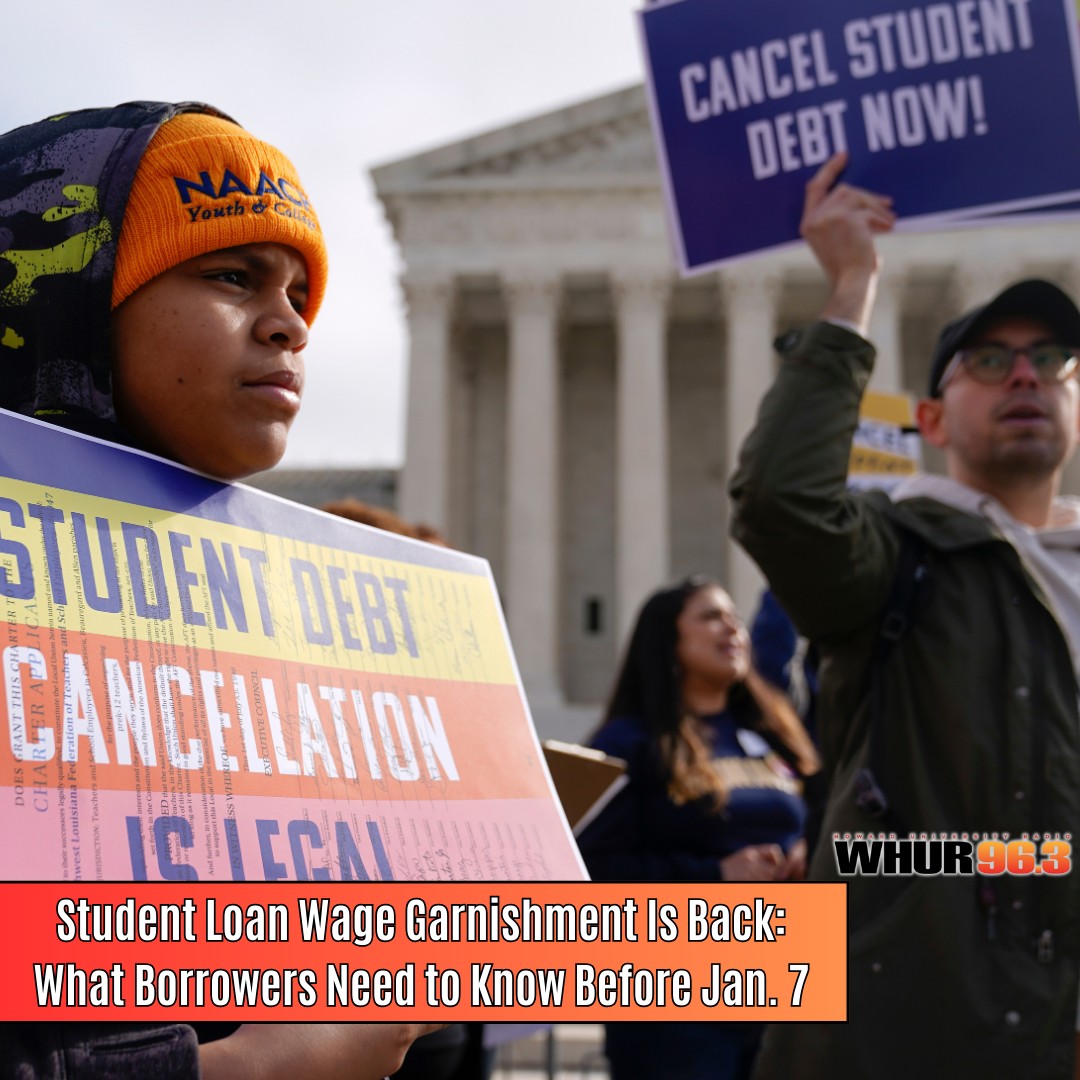
Collections resumed in May of 2025. The Workplace of Federal Trainee Aid (FSA) will send main trainee loan garnishment notices to defaulted debtors in the Settlement paid or payable for a staff member's services can be garnished, consisting of: Salaries and incomes Commissions Perks (e.g., sign-on perk) Regular payments from a pension or retirement program Personal incomes that can be garnished typically don't consist of ideas.

Latest Posts

Complete Guide to Bankruptcy Protocols

Detailed Checklist to Bankruptcy Filing
Calculating Legal Lawyer Fees for 2026