All Categories
Featured

Navigating Bankruptcy Fees in 2026
In Chapter 7, the trustee looks at your assets and compares their equity to the exemptions you claim. Equity is the worth of the property minus what you owe on it. If your equity in a home, automobile, or other home is totally covered by exemptions, the trustee typically leaves that property alone.
That analysis frequently identifies whether Chapter 7 is safe for someone with built-up equity in Michigan realty or a paid-off vehicle. In Chapter 13, exemptions still matter, however in a different way. Instead of selling non-exempt property, the law generally requires that unsecured creditors get a minimum of as much through your plan as they would have gotten if you filed Chapter 7 and your non-exempt possessions were sold.

For instance, a Michigan homeowner with equity above the homestead exemption may choose Chapter 13, make a higher regular monthly payment for a set variety of years, and still keep your home. Due to the fact that the option between Michigan and federal exemptions can tilt the balance between Chapter 7 and 13, this is not something to rate.
If Chapter 7 looks risky however the customer's earnings can support a sensible Chapter 13 payment, the suggestion may move toward Chapter 13 to safeguard hard-earned residential or commercial property. How each chapter treats your specific financial obligations frequently matters more than any abstract pros and cons list. Unsecured financial obligations, such as credit cards, medical costs, payday advance, and lots of personal loans, usually receive comparable outcome in both chapters, however through different courses.
In Chapter 13, unsecured financial institutions often get a share of what you pay into the strategy, which might be anywhere from a small portion to the full quantity, and the remaining balance can be discharged at the end if you finish your strategy. Secured debts include residential or commercial property that serves as collateral, such as a home loan on a home or a lien on an automobile.
Estimating 2026 Bankruptcy Attorney CostsTotal Bankruptcy Costs for 2026
Keeping a protected asset typically includes staying existing on payments and, in many cases, signing a reaffirmation arrangement that keeps you personally liable on that particular loan after bankruptcy. If you are far behind and can not capture up quickly, surrendering the property in Chapter 7 wipes out your personal liability for any deficiency balance after the lender offers it.
You can spread out home mortgage or vehicle loan defaults over a three to five-year strategy, which is called curing arrears, while also resuming your regular month-to-month payments. In some situations, Chapter 13 likewise enables a decrease of certain vehicle loan balances to the vehicle's existing worth, a concept referred to as cramdown, though in-depth guidelines use.
Priority and nondischargeable financial obligations, such as recent income taxes, child support, alimony, and the majority of trainee loans, stand in a separate classification. These are normally not wiped out in Chapter 7, though the automated stay can stop briefly some collection while the case is pending. In Chapter 13, these debts are often paid in complete through your plan before unsecured creditors get anything.
At Hensel Law Office, PLLC, a detailed lender list is mapped to these classifications so you see precisely which debts will be eliminated, which should be paid, and which chapter manages them better. Understanding the length of time each chapter lasts and what every day life looks like during the case can decide feel less abstract.
Soon after filing, the automatic stay typically stops garnishments, lawsuits, and a lot of collection calls. You participate in a conference of financial institutions, often called the 341 meeting, where the trustee asks concerns about your paperwork and finances. After that, you primarily wait on due dates to pass and for the court to issue a discharge, unless the trustee requires more details or is checking out non-exempt properties.
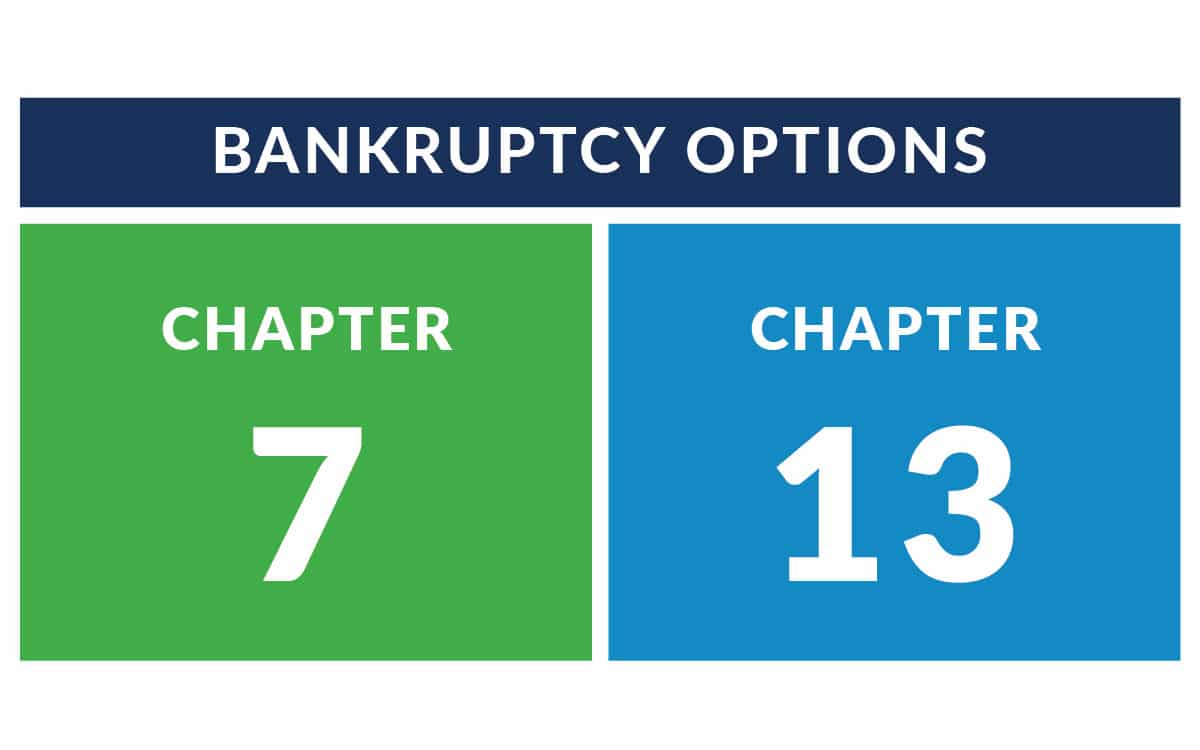
Comparing Chapter 7 Vs Chapter 7 in 2026
You submit the case, and the automatic stay enters into impact, stopping garnishments, foreclosure sales, and a lot of collection activity. You propose a payment plan, start making month-to-month payments to the Chapter 13 trustee, and go to a 341 conference and, oftentimes, a verification hearing where the judge thinks about whether to approve the strategy.
Numerous Michigan filers are surprised by how structured but manageable the daily reality can be when the plan is practical. In Chapter 7, your main duties are to be honest, supply files, attend your meeting, and finish a needed monetary education course. In Chapter 13, the added obligations consist of adhering to a spending plan, making every plan payment on time, and reporting substantial earnings modifications.
When you understand how each chapter works, the next action is lining that up with your objectives. One core tradeoff is speed versus structure. Chapter 7 relocations quicker and typically includes no long-term payment obligations, which appeals to Michigan occupants and property owners who are current on their home loans and have mainly unsecured debts.

Latest Posts

Complete Guide to Bankruptcy Protocols

Detailed Checklist to Bankruptcy Filing
Calculating Legal Lawyer Fees for 2026