All Categories
Featured
instantly upon filing, through the automated stay. You're behind on your home mortgage and want to keep your homeYour earnings is above the Colorado mean and you don't pass the Chapter 7 means testYou have non-exempt equity you want to secure by paying its value into a plan instead of losing the assetYou have financial obligations that make it through Chapter 7 (certain taxes, some domestic support arrears) that you need structured time to payYou've submitted Chapter 7 too just recently to submit once again (see timing guidelines below)The methods test under 11 U.S.C.
Chapter 7 and Chapter 13 Paths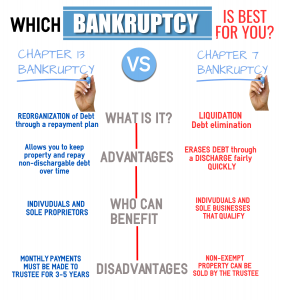
Here's how it works in plain terms: The U.S. Trustee Program releases median household income figures by family size, updated every April and November utilizing Census Bureau data. If your average regular monthly income over the prior 6 months, annualized, falls at or below Colorado's typical for your home size, you pass the ways test instantly and may file Chapter 7.
Chapter 7 and Chapter 13 PathsMany above-median filers still qualify for Chapter 7 after these reductions. or you may still have options depending on the kind of debt you bring (the means test only uses to filers whose financial obligations are mainly consumer debts). Because the typical income figures and internal revenue service expenditure standards change twice a year, the exact numbers that used when a buddy or relative filed may not use to your case today.
Chapter 13 isn't offered to everybody no matter income there are statutory debt ceilings under 11 U.S.C. 109(e). As of the most recent inflation modification (efficient April 1, 2025, through March 31, 2028), the limitations are different for protected and unsecured financial obligation, in the low 7 figures combined. There is active, bipartisan legislation pending in Congress that would raise and streamline these limitations into a single combined limit worth watching if you're near the existing ceiling, especially if a large mortgage is what's pressing you over.
Legal Support for 2026 Chapter 13 Filers
This is typically the deciding aspect for Colorado filers. Colorado's exemption statutes protect a set amount of equity in your home, automobile, tools of trade, retirement accounts, and personal effects. If your equity in a possession exceeds the exemption, the trustee can sell it and pay you the exempt part but for the big majority of filers with typical equity levels, everything is protected and absolutely nothing is offered.
This is typically why higher-equity property owners or company owner choose Chapter 13 even when they might technically pass the Chapter 7 implies test. 34 months to discharge35 years to dischargeNoYes, per court-approved planLower, one-timeLower, one-time (plus ongoing trustee charge)Typically paid up front or soon after filingFrequently paid through the plan over timeStays ten years from filingStays 7 years from filingUnsecured debt with no significant possessions at riskSaving a home, curing defaults, above-median income Chapter 13 Chapter 7 You normally need to wait 8 years for another Chapter 7 discharge, however might get approved for Chapter 13 sooner (timing guidelines are technical and case-specific) Chapter 13, to treat the default and keep the cars and truck Frequently Chapter 13, though eligibility depends on the "routine income" requirement Chapter 13's co-debtor stay provides defense Chapter 7 does notI invested years administering cases as the Trustee -seeing direct which decisions held up and which ones backfired.
Filing the wrong chapter, or filing properly but with a preventable mistake, can imply losing home you might have kept or paying years longer than necessary. Every financial circumstance is various, and the "ideal" chapter depends upon numbers and realities unique to your family. If you're weighing Chapter 7 vs.
Yes, in many cases you can transform your case from Chapter 13 to Chapter 7 if your scenarios alter, based on particular limitations and court approval. Not necessarily. If you're present on your home mortgage and your home equity is within Colorado's exemption limitations, you can normally keep your home in Chapter 7.
It depends on your family income compared to Colorado's present average figures for your home size, plus enabled cost deductions if you're above mean. Filing either Chapter 7 or Chapter 13 triggers the automatic stay, which immediately stops most wage garnishments, collection calls, and lawsuits.
Chapter 13 offers court-enforced defense that private financial obligation settlement doesn't offer, however it's a longer commitment. This post is for basic informative purposes just and does not make up legal advice. Personal bankruptcy law is fact-specific, and results depend on your specific situations. Contact our office to discuss your circumstance directly.

Latest Posts
How to Navigate the 2026 Bankruptcy Case
Guide to 2026 Bankruptcy Filing
Estimating Lawyer Costs for 2026