All Categories
Featured
Total Lawyer Costs for 2026
Table of Contents
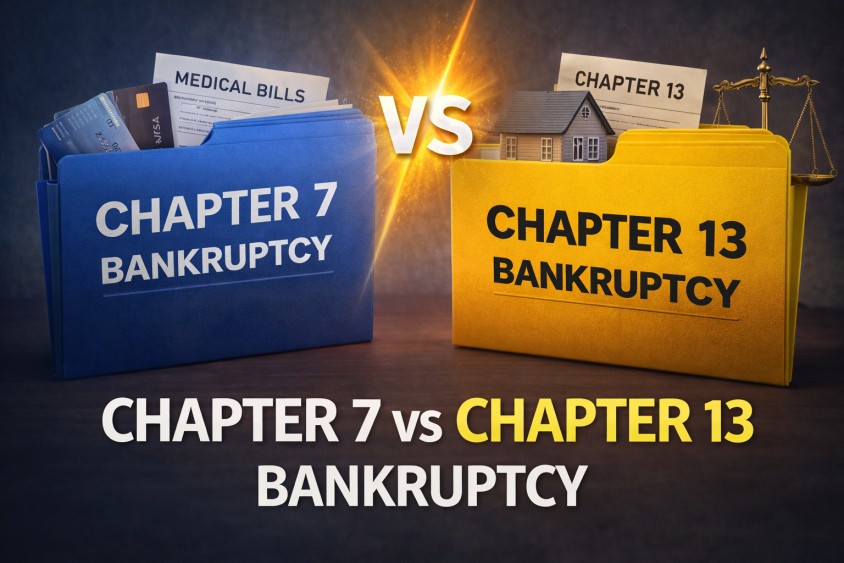
Chapter 7 vs. Chapter 13: Which Bankruptcy Choice Is Better for Your Financial Scenario? Chapter 7 and Chapter 13 personal bankruptcy provide various methods to handle debt, and the much better choice depends upon your earnings, assets, and monetary concerns. Chapter 7 focuses on getting rid of qualifying debts in a fairly short time, while Chapter 13 uses a court-approved payment plan to assist you capture up gradually.
Chapter 7, frequently called liquidation personal bankruptcy, is created to remove unsecured financial obligations such as credit cards and medical expenses. Under Chapter 13, you make routine payments to a trustee, who then distributes funds to lenders. At the end of the plan, any staying qualified unsecured debt may be discharged.
There is no single response that applies to everyone. The much better alternative depends on how your income, financial obligations, and assets collaborate. Chapter 7 may make good sense if your income is low, your debts are mainly unsecured, and you do not require a long-term payment strategy. Chapter 13 might be the better choice if you have a consistent income, valuable possessions to safeguard, or past due safe financial obligations that you desire to keep.
Important Legal Requirements for 2026 Bankruptcy
Both Chapter 7 and Chapter 13 will impact your credit, but the effect is not irreversible. Lots of people begin restoring credit quicker than expected by paying expenses on time and managing brand-new accounts properly. Chapter 7 remains on your credit report longer than Chapter 13, while Chapter 13 programs creditors that you followed a court-approved repayment plan.
Picking in between Chapter 7 and Chapter 13 is a legal decision with long-term consequences. Filing without understanding how exemptions, income limitations, and payment strategies use to your scenario can cause avoidable problems. When you are facing collection actions, wage garnishment, or mounting costs, getting accurate guidance early can help you avoid missteps and progress with confidence.
About the Author Mr. Solomon has worked with thousands of people seeking to acquire a fresh start through insolvency.
If financial obligation has ended up being uncontrollable, you have actually most likely currently browsed "Chapter 7 vs Chapter 13 insolvency" more than when. Both chapters can stop collection calls, wage garnishments, and lawsuits however they work in basically different methods, and selecting the incorrect one can cost you time, money, or residential or commercial property you were wanting to keep.
Federal Court vs. Private Negotiation for North Carolina FamiliesInsolvency Court Chapter 7 Trustee, I have actually reviewed countless cases from the within of the system, not simply the outside. Here's a straightforward, 2026-updated breakdown of how each chapter works, who certifies, and how to analyze the choice. is a liquidation bankruptcy. A lot of filers keep whatever through exemptions, and qualified financial obligations are cleaned out in about 34 months.
Financial Support for 2026 Chapter 13 Filers
is a reorganization bankruptcy. You keep your home and repay some or all of your financial obligations through a court-approved strategy lasting 3 to 5 years. The chapter that's "best" for you depends upon your income, what you own, what you owe, and what you're trying to safeguard usually, a house or an automobile you lag on.

A trustee is appointed to your case, non-exempt properties (if any) are sold to pay financial institutions, and a lot of unsecured debts charge card, medical expenses, personal loans, old utility bills are discharged. The majority of Chapter 7 cases discharge in roughly 90120 days from filing. You aren't needed to pay back unsecured lenders.
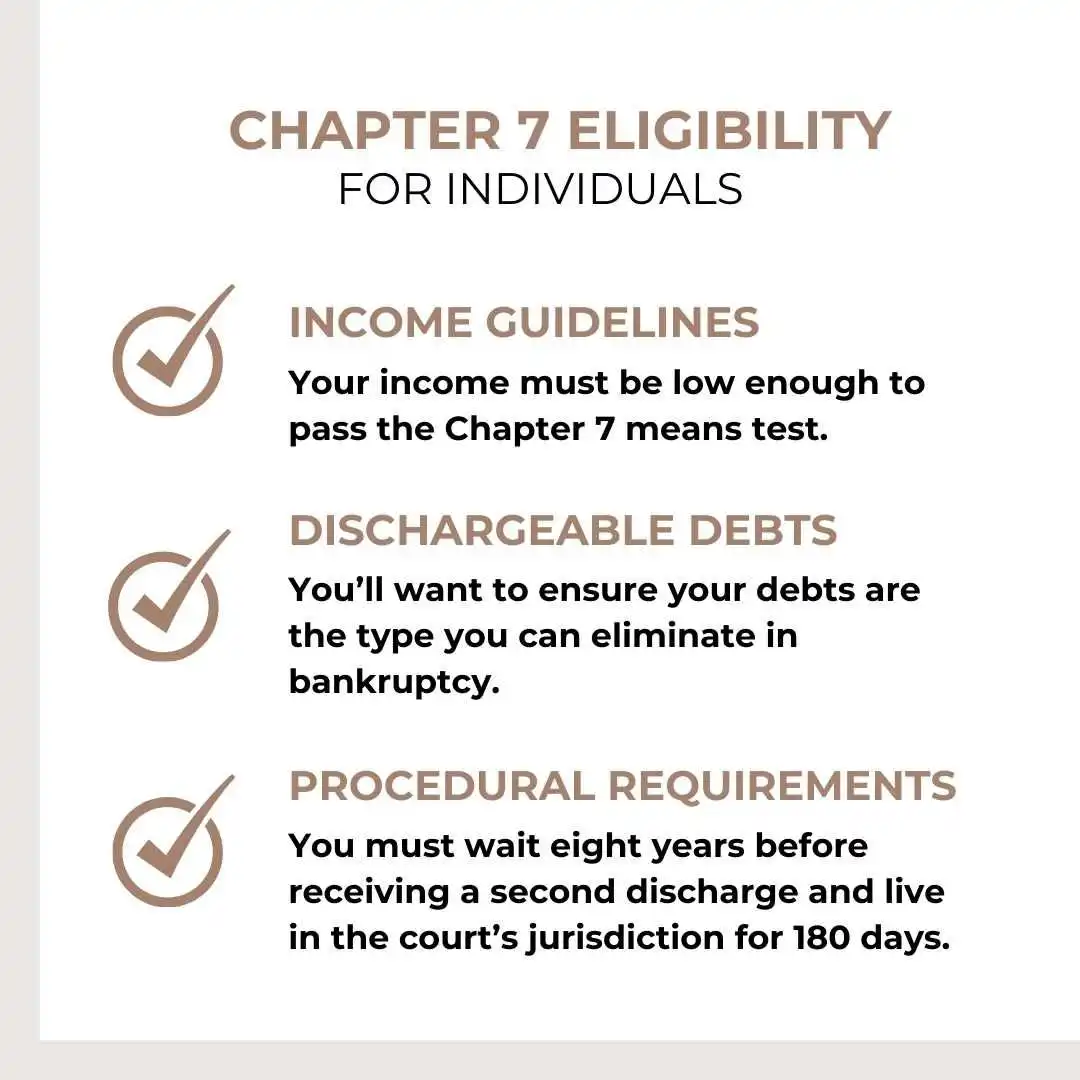
A lot of filers with a modest home, a couple of cars, and common family goods keep everything. You must qualify based upon income (more on this below). Your earnings is at or listed below the Colorado median for your family sizeYou do not have significant non-exempt equity in your house or other propertyYou're current on your home loan or vehicle loan (or ready to surrender them)You desire the fastest possible path to a dischargeChapter 13 is a payment strategy insolvency for people with regular income.

Latest Posts

Complete Guide to Bankruptcy Protocols

Detailed Checklist to Bankruptcy Filing
Calculating Legal Lawyer Fees for 2026